Tolerating Bliss
- Welcome to Somatic Blissipline
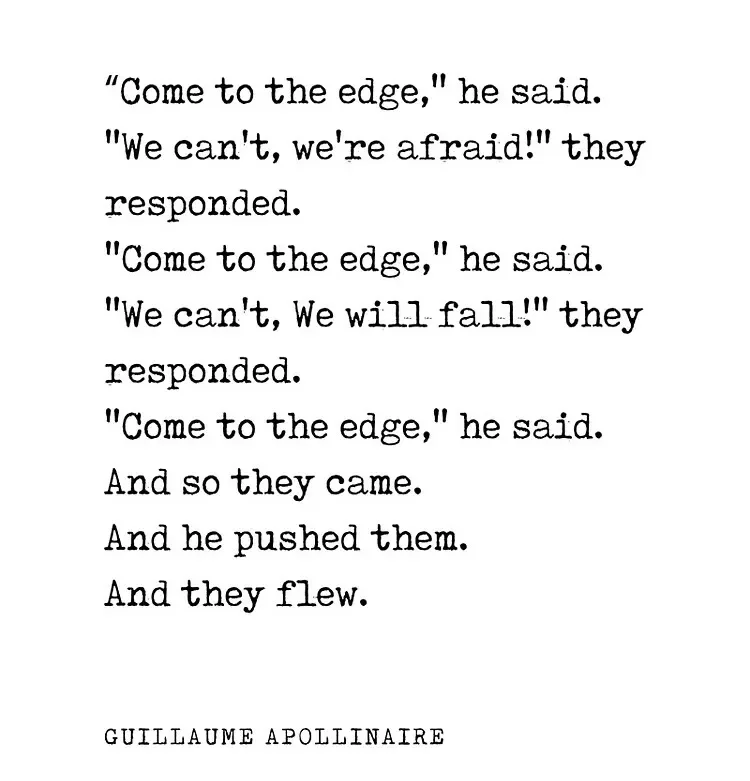
We often speak about our capacity to hold pain. We have built a language around trauma, resilience and regulation. We try to learn how to stay with discomfort, navigate our pain through breathing and contraction, we try to soften what hurts. But we often forget that pleasure heals, and far less attention is given to this edge - our capacity to tolerate bliss, be in our pleasure.
Pleasure, especially when sustained, open and unguarded, is not always easy. We can feel overwhelmed by our sensations. Not necessarily in the sharp or alarming way that is pain, but in its expansiveness, its fullness. We dissolve familiar boundaries we’ve spent years constructing, armouring ourselves for protection against the unknown or imagined danger. Pain contracts us, but bliss might open us beyond what feels manageable, so many of us unconsciously interrupt pleasure the moment it deepens.
We tighten the jaw, we distract the mind, we dampen sensation by looking away or pulling back just before the wave crests. Not because something is wrong, but because something feels too good to handle. Too intense, maybe too unfamiliar or too expansive - reaching beyond grasp.
In somatic terms, this is not a failure, but it’s where we reach our threshold. The nervous system does not distinguish between “too much pain” and “too much pleasure”, but too much activation. Bliss, just like fear, can exceed what the body currently knows how to hold. So we might brace and contract, in order to regulate ourselves away from aliveness that we don’t yet know how to handle.
Our capacity for bliss is not determined by how much pleasure is available to us, but by how much we can stay present with the sensations we have without leaving our body. This is the practice; to notice the moment pleasure begins to tip into overwhelm, when we go beyond our resilient edge - where new learning takes place - and into a trauma state.
When we feel the impulse to escape into thought, get tense, restrict our breath or want to control the sensations, this might tell us to slow down, stay with what is, before we move forward. Instead of pushing further or shutting down, gently dose the experience, remember “easy does it”. You want to let pleasure come in waves and allow yourself to be more and more open, not push or “flood your gates!
Through permission, not chasing, over time this builds a new tolerance. We become receptive to experience more bliss. But, the body must learn to open up, to feel pleasure without overwhelm and dissociating. Then, new experiences will expand our capacity to feel more, and we can go beyond our predetermined and expected pleasure-threshold. This is not rocket science, but neuroscience
